


They're Just Baby Teeth: Why Cavities in Primary Teeth Still Need Treatment
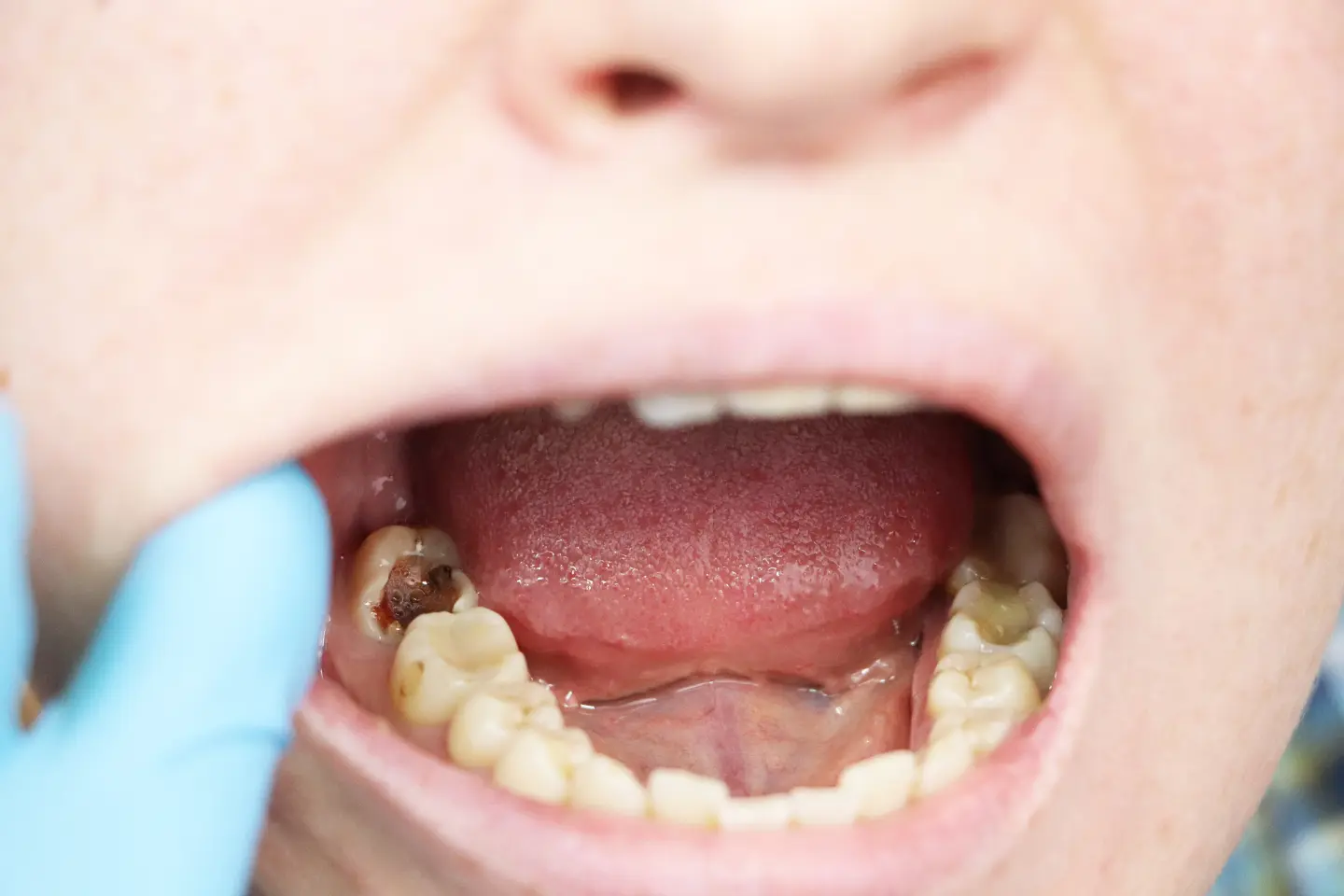
It is one of the most common things parents say, and it comes from a very reasonable place: they're just baby teeth; they are going to fall out anyway, so does a small cavity really matter? If you have wondered the same thing, you are in good company. The answer surprises many families. Cavities in baby teeth can affect a child's comfort, eating, speech, and even the way adult teeth come in. The good news is that when cavities are caught early, treatment is often simple and gentle. This guide explains why primary teeth matter, what to watch for, and how a pediatric dentist can help.
Why Do Baby Teeth Matter if They Fall Out Anyway?
Primary teeth, the dental term for baby teeth, do far more than fill space in a toddler's smile. They play a handful of important roles while your child grows.
- Chewing and nutrition: Healthy teeth help children chew a variety of foods comfortably, which supports good nutrition.
- Speech development: Teeth help children form sounds as they learn to talk.
- Holding space for adult teeth: Baby teeth act like placeholders, guiding permanent teeth into the right position when it is time for them to erupt.
- Jaw development: Chewing and healthy teeth support the growth of the jaw.
- Confidence and comfort: A child who is not distracted by tooth pain is free to smile, play, and learn.
Some baby teeth stay in the mouth longer than people expect. The back molars, for example, may not fall out until around ages 10 to 12. That is a long time for a tooth with an untreated cavity to be doing its job.
Can Cavities in Baby Teeth Really Cause Problems?
Yes, they can, though most of the time they are very manageable when addressed early. Baby tooth enamel is thinner than the enamel on permanent teeth, which means decay can move through it faster. A small spot may grow into a larger one over a relatively short time.
When a cavity is left untreated, a child may experience tooth pain, sensitivity, or trouble chewing. In some cases, the decay can reach the nerve of the tooth and lead to an infection, which may affect the gum or the tissue around the tooth. If a baby tooth is lost too early because of decay, nearby teeth can shift, and that may reduce the room available for the adult tooth underneath.
None of this is meant to cause worry. It simply explains why dentists recommend treating cavities in baby teeth even when the tooth is destined to fall out eventually.
What Are the Signs of a Cavity in a Child's Tooth?
Early cavities can be tricky to spot, which is one reason regular checkups are so valuable. Here are some things parents sometimes notice.
- White, chalky spots: These can be the earliest sign of enamel changes, often near the gumline.
- Brown or black spots: Darker areas on a tooth may suggest decay.
- Visible holes or pits: Small openings in the chewing surface can collect food.
- Sensitivity: Your child may flinch with cold drinks, sweets, or hot foods.
- Complaints of tooth pain: Some children can say what hurts, while younger ones may simply be fussy or avoid certain foods.
- Swollen or red gums: Puffiness near a tooth is worth having checked.
Plenty of cavities have no obvious symptoms in the beginning. If you are unsure about something you see, a quick visit to your pediatric dentist can bring peace of mind.
What Causes Cavities in Primary Teeth?
Cavities form when bacteria in the mouth feed on sugars and produce acids that weaken enamel. Several everyday habits can contribute, and none of them reflect on your parenting. Most families deal with at least a few of these at some point.
- Frequent snacking or sipping: Grazing on snacks or sipping juice or milk throughout the day gives bacteria more opportunities to produce acid.
- Sugary foods and drinks: Candy, juice, soda, sticky snacks, and even some fruit snacks can cling to teeth.
- Bedtime bottles or sippy cups: Milk, formula, or juice that pools around the teeth overnight can raise the risk.
- Inconsistent brushing: Missed brushing, especially at night, allows plaque to build up.
- Not enough fluoride: Fluoride helps strengthen enamel, and not getting enough may increase the chance of decay.
- Family factors: Cavity-causing bacteria can be shared through saliva, and genetics may play a role in enamel strength.
Understanding the cause helps your dental team suggest changes that fit your family.
What Treatment Options Are Available for Cavities in Baby Teeth?
The right baby tooth cavity treatment depends on the size and location of the cavity, your child's age, and how well they are able to cooperate. A pediatric dentist may talk with you about options such as these.
- Fluoride treatments and improved home care: Very early enamel changes may sometimes be managed with fluoride and better brushing habits.
- Silver diamine fluoride: A liquid applied to the tooth that can help stop the progress of a cavity in certain situations. It may darken the treated area, which your dentist can explain.
- Tooth-colored fillings: For many cavities, the decayed part is removed, and the tooth is restored with a filling.
- Stainless steel crowns: For larger cavities, a durable cap may help protect a tooth until it falls out naturally.
- Pulp therapy: If decay has reached the nerve, a baby root canal, sometimes called a pulpotomy, may help save the tooth.
- Extraction and space maintainers: In some cases, a tooth cannot be saved, and a small device may be used to hold space for the adult tooth.
Every child is unique, so your dentist will help you choose what makes sense. Many pediatric dental teams are experienced in making visits friendly and calm, and comfort options can be discussed ahead of time.
How Can You Help Prevent Cavities in Your Child's Baby Teeth?
Prevention is the best part, because it is mostly small, everyday habits.
- Brush twice a day: Use a soft brush and a smear of fluoride toothpaste, about the size of a grain of rice, for children under 3. For ages 3 to 6, a pea-sized amount is typically recommended.
- Help with brushing: Many children need help until they have the dexterity to brush well, often around age 7 or 8.
- Floss when teeth touch: Cleaning between teeth helps remove plaque from tight spots.
- Offer water and balanced snacks: Save sweets for mealtimes, and keep juice to a minimum.
- Skip bedtime bottles: Finish feeding, then brush, and offer only water if your child needs something at night.
- Schedule regular checkups: Visits every six months, or as your dentist suggests, help catch problems early.
- Ask about sealants: These thin protective coatings can help shield the grooves of back teeth.
Small steps matter, and even making one or two changes can make a difference over time.
Schedule Cavity Care for Baby Teeth at Chapin Pediatric and Teen Dentistry
If you have noticed a spot on your child's tooth, or you simply want to be sure everything looks healthy, we are here to help. At Chapin Pediatric and Teen Dentistry, our team takes the time to explain what we see, answer your questions, and recommend treatment for cavities in baby teeth that feels comfortable and appropriate for your child. We believe every primary tooth is worth caring for, and we make the process as friendly as possible. Contact Chapin Pediatric and Teen Dentistry today to schedule a visit and give your child's smile a healthy start.
Cavities in Baby Teeth FAQs
Q: Do baby teeth really need fillings?
A: In many cases, yes. Treating cavities helps keep a child comfortable, supports chewing and speech, and may help prevent the decay from spreading. Your dentist can explain what is best for your child's tooth.
Q: Can a cavity in a baby tooth affect the adult tooth?
A: Sometimes. Severe decay or early tooth loss can influence the space and position of the permanent tooth underneath. Treating cavities early can help.
Q: At what age should my child first see a dentist?
A: Dental organizations generally recommend a first visit by the first birthday, or within about six months of the first tooth appearing.
Q: Is it normal for a child to have cavities?
A: Cavities are one of the most common childhood health concerns. They are not a sign of failure, and most can be treated successfully when found early.
Q: Will my child feel pain during treatment?
A: Pediatric dentists use comfort techniques and, when needed, numbing to help children feel at ease. Your dentist can explain what to expect before the visit.

Chapin Pediatric and Teen Dentistry is now open to new patients. Call us today at 803-298-8255 to make an appointment for your child or teen.


Overview
Services
Support
Chapin Pediatric and Teen Dentistry is now open to new patients. Call us today at 803-298-8255 to make an appointment for your child or teen.
© 2025 Chapin Pediatric and Teen Dentistry | All Rights Reserved | Privacy Policy | Digital Marketing by Remedo