


Say Goodbye to Teeth Gaps: Understanding Children's Dental Spacing
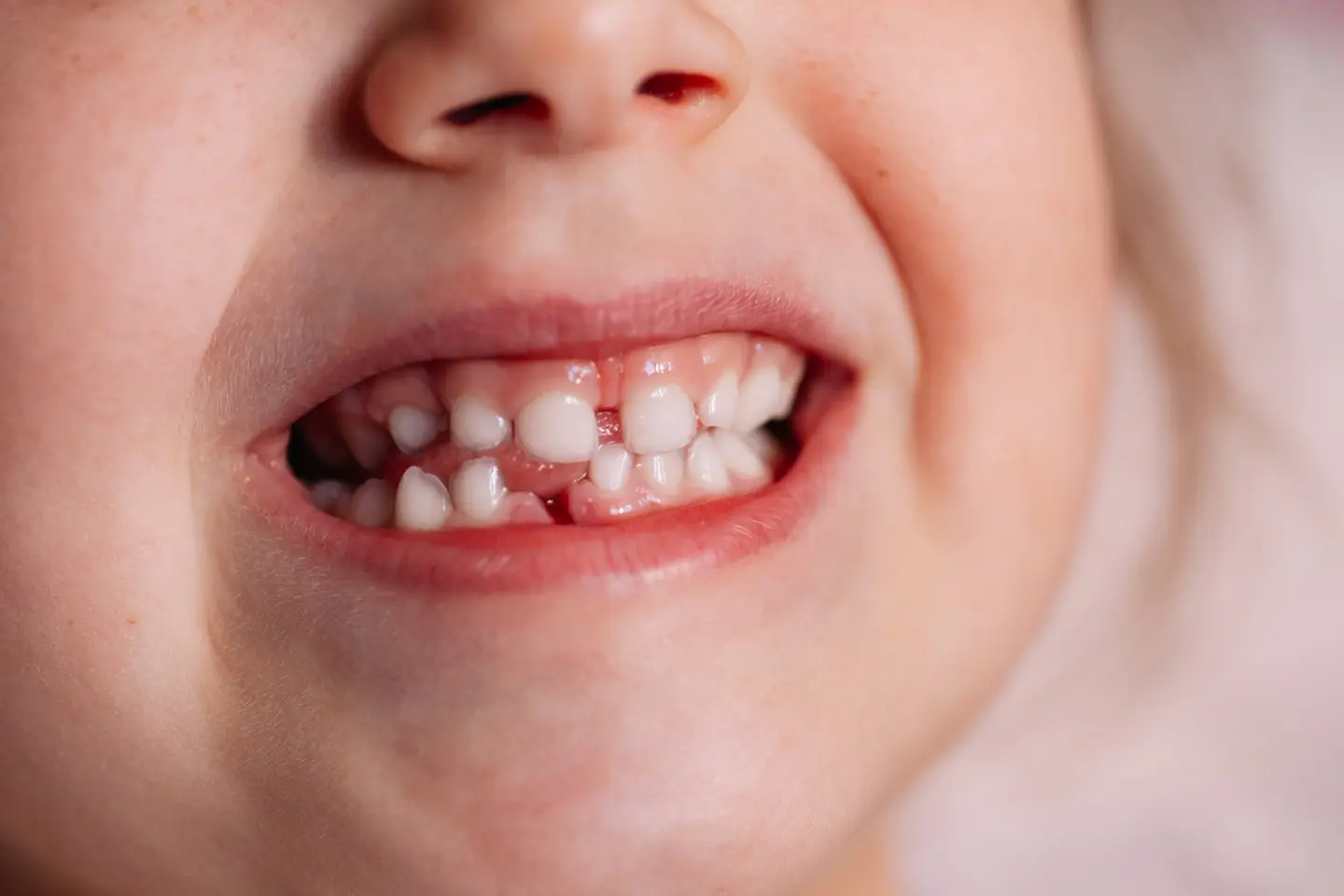
Have you noticed spaces between your child's teeth and wondered whether they need dental treatment? Gaps between teeth are a common part of childhood dental development. While some parents may worry that these spaces will affect their child's smile, they are often completely normal and can actually be a positive sign of developing teeth.
As children grow, their jaws change, baby teeth eventually fall out, and permanent teeth begin to emerge. During this transition, spaces may appear between teeth or become more noticeable.
However, not every gap develops for the same reason. Some spaces are related to normal growth, while others may be associated with missing teeth, oral habits, or differences in tooth size.
Understanding why gaps occur can help parents recognize when they are a normal part of development and when a dental evaluation may be beneficial.
At Chapin Pediatric & Teen Dentistry, we help parents monitor their children's dental development and understand the steps needed to support healthy smiles.
Why Do Children Have Gaps Between Their Teeth?
Gaps between teeth are also known as diastema. They can occur in the upper or lower jaw and may be visible between the front teeth or in other areas of the mouth.
There are several reasons why children develop spaces between their teeth.
1. Natural Jaw Growth
One of the most common reasons for spaces between children's teeth is normal jaw development.
As a child's jaw grows, it creates more room for the developing permanent teeth. Baby teeth are smaller than permanent teeth, so spaces between them can be perfectly normal.
In fact, having some spacing between baby teeth can be helpful because permanent teeth are generally larger and need additional room to emerge.
2. Differences in Tooth Size
Sometimes, a child's teeth are naturally smaller compared with the size of their jaw. This can leave extra space between individual teeth.
Genetics can influence both tooth size and jaw structure, which means some children naturally have more noticeable gaps than others.
A pediatric dentist can examine the teeth and determine whether the spacing is part of normal development.
3. Missing or Delayed Teeth
If a tooth is missing or takes longer than expected to emerge, spaces may appear between neighboring teeth.
Some children are also born without certain permanent teeth. This condition is called hypodontia.
When a permanent tooth is missing, the surrounding teeth may gradually shift, changing the spacing and alignment of the smile.
4. Thumb Sucking and Pacifier Habits
Prolonged thumb sucking and pacifier use can affect the position of developing teeth.
Repeated pressure from these habits may contribute to changes in the alignment of the front teeth, including spaces or an open bite.
Parents should discuss persistent habits with a pediatric dentist, who can recommend age-appropriate guidance to support healthy dental development.
5. Thick or Low-Attached Lip Frenum
The labial frenum is the small tissue connecting the inside of the upper lip to the gum above the front teeth.
In some children, this tissue may extend between the upper front teeth and contribute to a noticeable gap.
However, not every gap between the front teeth requires treatment. A dental professional can assess whether the frenum is affecting the spacing and whether any intervention is necessary.
Are Gaps Between Baby Teeth Normal?
Yes. Gaps between baby teeth are generally normal and often beneficial.
Baby teeth are smaller than permanent teeth, so spaces help accommodate the larger teeth that will eventually replace them.
These spaces are particularly common between the upper front teeth and may become more noticeable as the jaw grows.
Parents should not automatically assume that every gap needs to be closed. Trying to correct natural spacing too early may interfere with normal dental development.
A pediatric dentist can monitor your child's teeth and determine whether the spaces are developing as expected.
When Should Parents Be Concerned About Gaps Between Teeth?
Although spacing is often normal, certain changes may need professional attention.
Consider arranging a dental examination if you notice:
- A gap that appears suddenly.
- Spaces that continue becoming wider.
- A missing permanent tooth or delayed eruption.
- Changes in the way your child's teeth come together.
- Front teeth that protrude noticeably.
- Persistent thumb sucking or tongue-thrusting habits.
- Swollen or bleeding gums around the teeth.
New or increasing gaps can sometimes be associated with gum problems, missing teeth, or other developmental concerns.
Regular dental check-ups allow the dentist to monitor changes and recommend appropriate care when needed.
How Can Gaps Between Children's Teeth Be Addressed?
The appropriate approach depends on your child's age, the type of teeth involved, and the reason for the spacing.
Not every gap requires treatment. Some spaces close naturally as permanent teeth emerge, while others may need monitoring or further evaluation.
Here are some possible approaches:
1. Monitoring Natural Dental Development
If the gaps are part of normal childhood growth, a pediatric dentist may simply monitor the teeth during regular dental examinations.
This helps ensure that permanent teeth are emerging properly and that the spaces are changing as expected.
2. Managing Oral Habits
If thumb sucking, prolonged pacifier use, or tongue thrusting is contributing to spacing, addressing the habit may help reduce its effect on developing teeth.
Parents can encourage positive habits and discuss persistent concerns with their child's dentist.
3. Space Maintainers
Space maintainers are dental appliances used when a baby tooth is lost earlier than expected.
Their purpose is not to close a gap but to preserve the space needed for the permanent tooth to emerge correctly.
Without a space maintainer when one is indicated, neighboring teeth may move into the empty area and affect the eruption of the permanent tooth.
Learn more about space maintainers and their importance in children's dental development.
4. Orthodontic Evaluation
If gaps remain after permanent teeth have emerged, an orthodontic evaluation may help determine whether treatment is appropriate.
An orthodontist can assess the spacing, tooth position, and bite before recommending suitable options.
Treatment should be based on the child's stage of dental development rather than simply the appearance of a gap.
Can Gaps Between Permanent Teeth Close on Their Own?
Sometimes, yes. As permanent teeth continue to emerge and the jaw develops, certain spaces may become smaller naturally.
For example, a gap between the upper front teeth may change as the permanent canine teeth erupt.
However, some gaps remain because of differences in tooth size, missing teeth, or other factors.
If your child has noticeable spacing after most permanent teeth have emerged, an orthodontic assessment can help determine whether the gaps require treatment.
Parents should avoid using DIY methods or elastic bands to close spaces because these can cause serious damage to the gums and supporting structures.
How Can Parents Support Healthy Dental Development?
Healthy dental habits are important throughout childhood, particularly when baby teeth are being replaced by permanent teeth.
Here are some ways parents can support their children's developing smiles:
- Encourage brushing twice daily with fluoride toothpaste appropriate for the child's age.
- Help younger children brush effectively.
- Introduce flossing when neighboring teeth begin touching.
- Limit frequent sugary snacks and drinks.
- Discourage prolonged thumb sucking and pacifier habits.
- Schedule regular dental examinations.
- Follow professional advice about developing teeth and bite alignment.
Good oral hygiene helps protect baby and permanent teeth from cavities and gum problems.
You can also explore our guide to children's dental cleanings to understand why regular professional care matters.
Why Are Regular Dental Check-Ups Important for Monitoring Teeth Gaps?
A child's mouth changes significantly during the growing years. Regular dental visits help identify spacing concerns and monitor how permanent teeth are developing.
During an examination, a pediatric dentist may:
- Check the position and spacing of existing teeth.
- Monitor the eruption of permanent teeth.
- Look for signs of missing or delayed teeth.
- Assess the gums and supporting tissues.
- Identify habits that may affect dental alignment.
- Recommend additional evaluation if necessary.
Early monitoring does not mean every gap needs correction. It simply helps parents understand whether their child's smile is developing as expected.
Learn more about the importance of baby dental exams.
Give Your Child a Healthy Start With Chapin Pediatric & Teen Dentistry
Gaps between teeth are a common part of childhood dental development. In many cases, they are completely normal and help provide room for permanent teeth to emerge.
However, spaces that develop unexpectedly, become wider, or appear alongside other dental concerns should be evaluated by a professional.
At Chapin Pediatric & Teen Dentistry, Dr. Charlton Conner and the team provide specialized dental care for infants, children, adolescents, and patients with special needs.
From routine examinations and preventive care to monitoring tooth development and recommending appropriate treatment, the practice focuses on supporting healthy smiles as children grow.
If you have questions about your child's tooth spacing or dental development, contact Chapin Pediatric & Teen Dentistry to schedule an appointment.
Frequently Asked Questions About Gaps Between Children's Teeth
Q: Are gaps between baby teeth normal?
A: Yes. Gaps between baby teeth are generally normal and often provide additional room for larger permanent teeth to emerge.
Q: Why does my child have a gap between their front teeth?
A: Front-tooth gaps can develop because of natural jaw growth, differences in tooth size, a thick labial frenum, or oral habits such as thumb sucking.
Q: Will gaps between baby teeth close naturally?
A: Some spaces may change as permanent teeth emerge and the jaw develops. However, not every gap closes on its own.
Q: At what age should gaps between children's teeth be evaluated?
A: Parents can discuss spacing during routine dental visits at any age. A pediatric dentist can monitor development and recommend further evaluation if a concern arises.
Q: Can thumb sucking cause gaps between teeth?
A: Prolonged thumb sucking can place pressure on developing teeth and may contribute to spacing, protrusion, or bite changes.
Q: Do gaps between permanent teeth need treatment?
A: Not always. Some gaps are harmless, while others may be associated with missing teeth or alignment concerns. An orthodontic evaluation can help determine whether treatment is necessary.
Q: What is the difference between a diastema and normal spacing?
A: Diastema refers to a space between two teeth, commonly the upper front teeth. Normal spacing is often seen during childhood as the jaw grows and permanent teeth develop.
Q: Can space maintainers close gaps between children's teeth?
A: No. Space maintainers are designed to preserve space when baby teeth are lost too early. They help prevent neighboring teeth from shifting into the area needed for a permanent tooth.

Chapin Pediatric and Teen Dentistry is now open to new patients. Call us today at 803-298-8255 to make an appointment for your child or teen.


Overview
Services
Support
Chapin Pediatric and Teen Dentistry is now open to new patients. Call us today at 803-298-8255 to make an appointment for your child or teen.
© 2025 Chapin Pediatric and Teen Dentistry | All Rights Reserved | Privacy Policy | Digital Marketing by Remedo