


How Long Does a Loose Tooth Take to Fall Out? A Parent's Guide
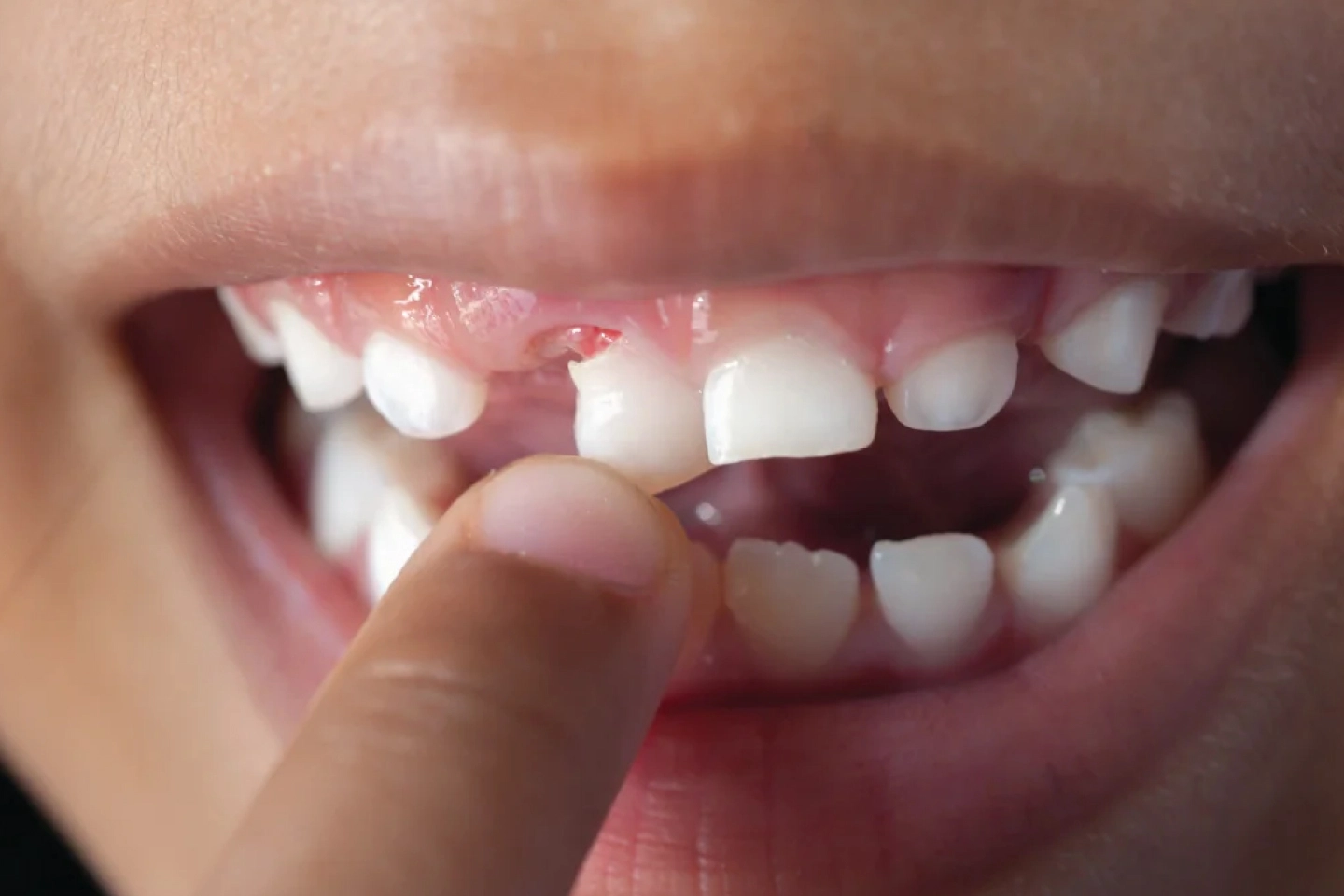
Watching your child lose their first baby tooth is an exciting milestone. It often brings questions, excitement about the Tooth Fairy, and sometimes a little nervousness. One of the most common questions parents ask is how long a loose tooth takes to fall out.
Children typically begin losing their baby teeth around age six, although the timing can vary. Some teeth become loose and fall out within a few days, while others may take several weeks to come out completely. The process depends on how quickly the permanent tooth underneath develops and pushes the baby tooth out.
Understanding what is normal during this stage can help parents support their children and recognize when a dental visit may be necessary. At Chapin Pediatric & Teen Dentistry, we help families understand their children's dental development and maintain healthy smiles as permanent teeth begin to emerge.
At What Age Do Children Start Losing Baby Teeth?
Most children start losing their baby teeth around age six. However, some children may begin a little earlier or later, and this does not necessarily indicate a dental problem.
Baby teeth usually fall out in approximately the same order in which they first appeared. The lower front teeth are commonly the first to become loose, followed by the upper front teeth.
Here is a general guide to when children lose their baby teeth:
- Ages 6–7: Lower and upper central incisors usually fall out.
- Ages 7–8: The lateral incisors generally begin to loosen.
- Ages 9–12: First molars, canines, and second molars are gradually replaced.
- Ages 10–12: Most children lose their remaining baby teeth, although the exact timing varies.
These are approximate age ranges, not strict deadlines. Every child develops differently, so there is no need to compare your child's tooth-loss timeline with another child's.
How Long Does a Loose Baby Tooth Take to Fall Out?
Once a baby tooth starts becoming loose, it may take anywhere from a few days to several weeks to fall out naturally. In some cases, the process can take longer.
This happens because the roots of baby teeth gradually dissolve as the permanent teeth develop underneath them. As the roots become shorter, the baby tooth loses some of its support and begins to move.
Several factors can influence how quickly a loose tooth falls out:
1. Development of the Permanent Tooth
The permanent tooth underneath plays an important role in the natural shedding process. As it develops and moves toward the surface, it contributes to the gradual loss of the baby tooth's root.
2. How Much the Tooth Has Loosened
A tooth that has only started moving slightly may take longer to fall out than one that is already very loose.
3. Individual Dental Development
Some children lose their baby teeth earlier, while others take more time. Genetics and individual growth patterns can influence the timeline.
4. Tooth Location
Front teeth often fall out before back teeth. Baby molars usually remain in place longer because they are replaced later in childhood.
What Happens When a Baby Tooth Becomes Loose?
Losing baby teeth is a natural part of childhood dental development. The process generally happens gradually rather than all at once.
Here is what parents can expect:
Stage 1: The Permanent Tooth Begins Developing
Permanent teeth develop beneath the baby teeth. As they grow, the roots of the baby teeth gradually begin to dissolve.
Stage 2: The Baby Tooth Starts Wiggling
As the root becomes shorter, the baby tooth may begin moving slightly. Your child might notice it while eating, brushing, or touching it with their tongue.
Stage 3: The Tooth Becomes More Mobile
Over time, the tooth may move more easily. There may be mild tenderness or occasional sensitivity around the area.
Stage 4: The Baby Tooth Falls Out
Eventually, the remaining attachment becomes loose enough for the baby tooth to fall out naturally. A small amount of bleeding can occur, which usually stops with gentle pressure from clean gauze.
Stage 5: The Permanent Tooth Emerges
The permanent tooth gradually becomes visible through the gums. Sometimes, it may appear behind the baby tooth before the baby tooth has fallen out completely.
If you notice this happening, a pediatric dental examination can help determine whether the permanent tooth is erupting normally.
Is It Normal for a Loose Baby Tooth to Hurt?
Most children experience little or no pain when their baby teeth become loose. However, mild tenderness or discomfort can happen as the tooth moves and the surrounding gums adjust.
Your child may complain about discomfort while chewing or touching the tooth. This is generally temporary.
You can help your child feel more comfortable by:
- Offering soft foods if chewing feels uncomfortable.
- Encouraging gentle brushing around the loose tooth.
- Avoiding hard or sticky foods that may pull on it.
- Reminding your child not to force the tooth out.
- Contacting a pediatric dentist if pain becomes persistent or severe.
Significant pain, swelling, pus, or fever should not be considered a normal part of losing a baby tooth.
Should You Pull Out Your Child's Loose Tooth?
Parents often wonder whether they should help remove a loose baby tooth. In most cases, it is best to let the tooth fall out naturally.
If the tooth is extremely loose and almost detached, it may come out during normal eating or brushing. However, pulling a tooth before it is ready can cause unnecessary discomfort, bleeding, or injury to the surrounding gums.
Encourage your child to leave the tooth alone or gently move it with their tongue if it is comfortable. Never use string, pliers, or other household objects to remove a tooth.
If a baby tooth remains loose for an unusually long time, causes discomfort, or appears to be blocking the permanent tooth, arrange a dental evaluation.
What If a Baby Tooth Falls Out Too Early?
Not every loose tooth is part of the normal shedding process. Sometimes, children lose baby teeth earlier than expected because of an accident, tooth decay, or infection.
Premature tooth loss can create problems because baby teeth help maintain the space needed for permanent teeth.
When a baby tooth is lost too early, neighboring teeth may shift into the empty space. This can affect how the permanent tooth emerges and may contribute to crowding or alignment problems.
Depending on the child's age, the tooth involved, and the development of the permanent tooth, a pediatric dentist may recommend a space maintainer.
Learn more about why space maintainers are important for children's dental development.
When Should Parents Contact a Pediatric Dentist?
Although losing baby teeth is normal, certain situations deserve professional attention.
Consider scheduling an appointment if:
- Your child loses a baby tooth significantly earlier than expected.
- A loose tooth causes persistent pain or discomfort.
- The gums around the tooth become swollen or red.
- A tooth becomes loose after a fall or sports injury.
- A permanent tooth starts appearing while the baby tooth remains firmly in place.
- Your child's teeth appear crowded or are erupting in an unusual position.
- A baby tooth does not seem to loosen despite the permanent tooth appearing underneath.
If your child experiences a dental injury or a permanent tooth gets knocked out, seek emergency dental care immediately.
You can also read our guide to emergency dental care for children to understand how to respond to unexpected dental injuries.
How Can You Support Healthy Tooth Development?
Good oral hygiene remains important even when your child is losing baby teeth. Healthy baby teeth help children chew comfortably, develop speech, and maintain the space needed for permanent teeth.
Parents can encourage healthy habits by:
- Helping children brush twice daily with fluoride toothpaste appropriate for their age.
- Encouraging daily flossing when teeth touch.
- Limiting frequent sugary snacks and drinks.
- Providing a balanced diet that supports healthy dental development.
- Scheduling regular dental check-ups.
- Encouraging children to wear protective mouthguards during sports.
Regular dental examinations also help monitor how permanent teeth are developing and identify concerns before they become more complicated.
Explore our guide to professional dental cleanings for children to learn more about maintaining your child's oral health.
Help Your Child Navigate Every Tooth-Loss Milestone at Chapin Pediatric & Teen Dentistry
Losing baby teeth is an important part of growing up, and most children experience this process naturally between the ages of six and twelve. While a loose tooth may take a few days or several weeks to fall out, the timeline can vary depending on the tooth and your child's development.
The important thing is to understand the difference between normal tooth loss and early or unexpected tooth movement.
At Chapin Pediatric & Teen Dentistry, Dr. Charlton Conner and the team provide dental care for infants, children, adolescents, and patients with special needs. From routine examinations to dental treatment and monitoring tooth development, the goal is to help every child maintain a healthy smile.
If you have questions about your child's loose tooth or permanent teeth coming in, contact Chapin Pediatric & Teen Dentistry to schedule a dental appointment.
Frequently Asked Questions About Loose Baby Teeth
Q: How long does a loose baby tooth take to fall out?
A: A loose baby tooth may take anywhere from a few days to several weeks to fall out naturally. The timeline depends on how loose the tooth is and how the permanent tooth underneath is developing.
Q: At what age do children start losing baby teeth?
A: Most children begin losing baby teeth around age six. The lower front teeth are usually among the first to fall out, followed by the upper front teeth.
Q: Is it normal for a child's permanent tooth to grow behind a baby tooth?
A: Yes, this can happen during tooth development. However, if the baby tooth does not loosen or the permanent tooth appears significantly out of position, a pediatric dentist should evaluate it.
Q: Should I pull out my child's loose baby tooth?
A: It is generally best to allow the tooth to fall out naturally. Pulling it before it is ready can cause discomfort or damage to the surrounding gums.
Q: Can a loose baby tooth cause pain?
A: Mild tenderness can occur as the tooth becomes loose. However, severe pain, swelling, pus, or fever should be evaluated by a pediatric dentist.
Q: What happens if a baby tooth falls out too early?
A: Losing a baby tooth too early can allow nearby teeth to shift into the empty space. A pediatric dentist may recommend a space maintainer to help preserve room for the permanent tooth.
Q: How many baby teeth do children lose?
A: Children typically lose all 20 primary teeth as permanent teeth replace them during childhood.
Q: When should I worry about my child's loose tooth?
A: Contact a pediatric dentist if the tooth becomes loose after an injury, causes significant pain, has swollen surrounding gums, or falls out much earlier than expected.

Chapin Pediatric and Teen Dentistry is now open to new patients. Call us today at 803-298-8255 to make an appointment for your child or teen.


Overview
Services
Support
Chapin Pediatric and Teen Dentistry is now open to new patients. Call us today at 803-298-8255 to make an appointment for your child or teen.
© 2025 Chapin Pediatric and Teen Dentistry | All Rights Reserved | Privacy Policy | Digital Marketing by Remedo