

Is Early Childhood Caries Preventable? A Complete Guide for New Parents
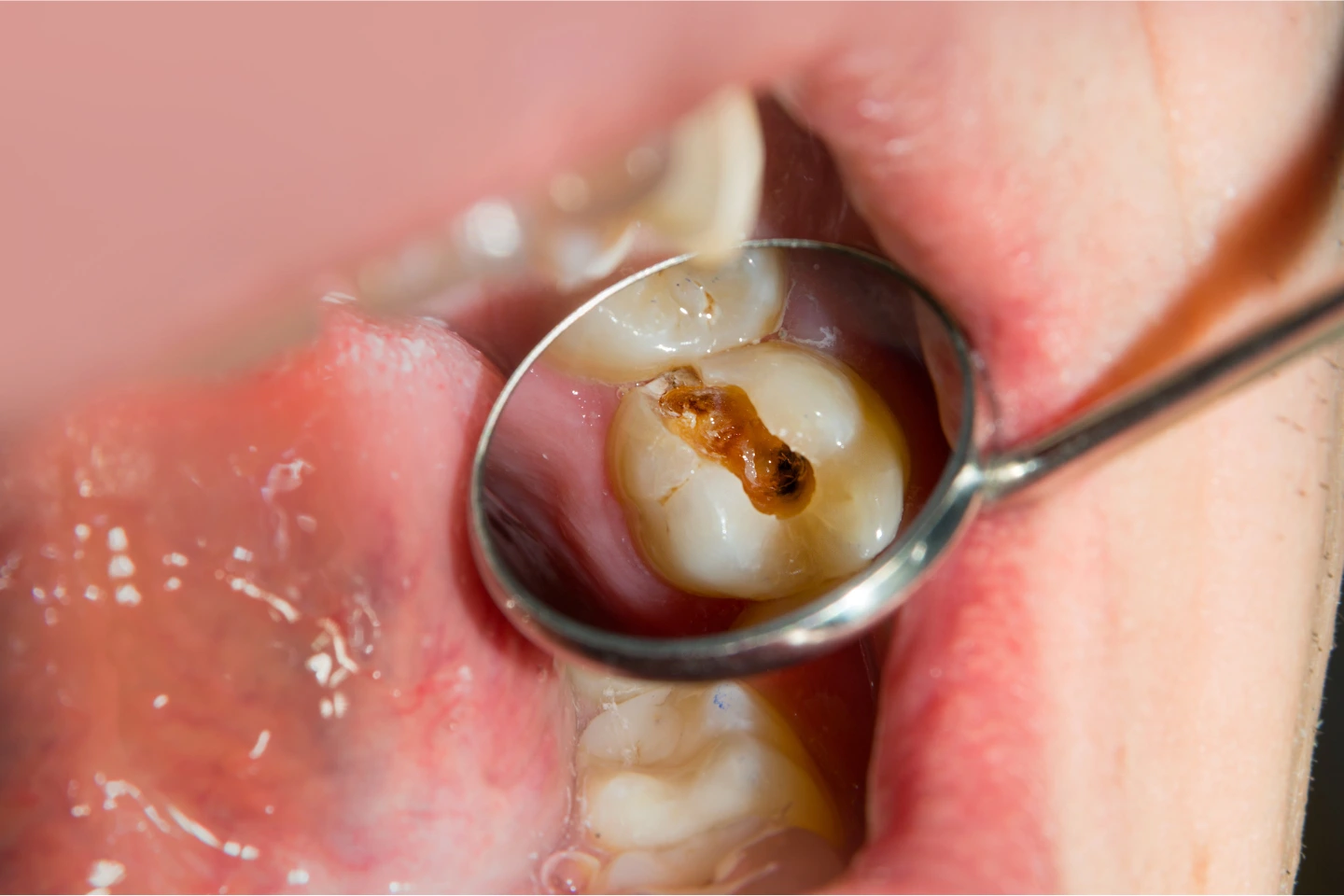
As a new parent, you have countless responsibilities, but protecting your baby's earliest teeth may be one of the most critical steps in ensuring a lifetime of healthy smiles. Early Childhood Caries (ECC), commonly known as baby bottle tooth decay or rampant tooth decay, is the presence of one or more decayed, missing, or filled tooth surfaces in a child under the age of six. It is, unfortunately, the most common chronic childhood disease. However, the great news is that ECC is almost entirely preventable!
At Chapin Pediatric and Teen Dentistry, your dedicated pediatric dentist in Chapin, we partner with parents from day one to establish proactive habits. Understanding the causes and implementing preventative strategies is the key to safeguarding your child’s oral health. This comprehensive guide will equip new parents with the knowledge and tools necessary to keep their child's first teeth strong and healthy.
Understanding the Causes of Early Childhood Caries
ECC is not just caused by genetics or bad luck; it’s a result of a clear combination of factors involving bacteria, diet, and hygiene.
The Role of Bacteria (Transmission)
The primary bacteria responsible for tooth decay, Streptococcus mutans, is often transmitted from the caregiver to the infant.
- Sharing Saliva: This typically happens when a parent cleans a pacifier by putting it in their mouth, sharing utensils, or "testing" the temperature of food on a spoon before giving it to the baby.
- The Solution: Avoid sharing saliva with your baby. Caregivers should also maintain excellent oral hygiene themselves to reduce the bacterial load in their mouths.
The Diet and Sugar Factor
Frequent and prolonged exposure to sugar is the fuel for the decay process.
- Sugary Liquids: When sugary drinks (milk, formula, juice, or sweetened tea) cling to the teeth, bacteria feed on the sugar and produce acids. These acids attack the enamel, demineralizing it and leading to tiny holes, which eventually become cavities.
- Nighttime Feeding: The most damaging habit is putting a baby to bed with a bottle containing anything other than water. During sleep, saliva production drastically decreases, which means the sugary liquid is not washed away, allowing acids to attack the teeth continuously for hours.
The Essential Pillars of ECC Prevention
Preventing Early Childhood Caries involves proactive care that begins even before the first tooth erupts. This forms the foundation of care provided by your pediatric dentist in Chapin.
1. Pre-Eruption Care (Gums)
Even without teeth, oral hygiene should begin early.
- Wiping Gums: After every feeding, gently wipe your baby's gums with a clean, damp washcloth or a gauze pad. This removes residual milk or formula and helps establish a healthy habit.
2. Brushing When the First Tooth Arrives
The moment the first tooth breaks through the gum, typically around six months, it needs to be brushed.
- The Right Tools: Use an infant toothbrush or a finger brush.
- Fluoride Toothpaste: Use a tiny smear (about the size of a grain of rice) of fluoridated toothpaste. Fluoride is essential for strengthening enamel and fighting decay.
- Brushing Technique: Brush gently twice a day, focusing on the surfaces and ensuring all sides are covered.
3. Scheduling the First Dental Visit
This is perhaps the most important proactive step new parents can take.
- The Rule: Your child should have their first appointment with Chapin Pediatric and Teen Dentistry by their first birthday or within six months of the first tooth erupting.
- What Happens: This "happy visit" is primarily educational. The pediatric dentist in Chapin examines the teeth and oral development, assesses the child's risk for ECC, and provides tailored, practical advice on brushing, fluoride use, and diet.
4. Strategic Diet and Feeding Habits
Modifying feeding practices is key to reducing sugar exposure.
- The Bedtime Rule: Never put your baby to bed or allow prolonged nursing/bottle feeding (as a pacifier) with anything other than water after the first tooth appears. If they need comfort, offer a clean pacifier or water.
- Limit Juice: Avoid giving babies and toddlers juice entirely, or limit it strictly to mealtimes and dilute it heavily. Juice is highly acidic and sugary, posing a significant risk for decay.
- Weaning: Transition your child from the bottle to a cup by their first birthday to reduce the time sugary liquids sit around the teeth.
Specialized Tools for Preventing ECC
As your child grows, your pediatric dentist in Chapin will introduce powerful professional tools to protect their teeth.
Fluoride Varnish
Fluoride treatments are safe and highly effective.
- Application: During routine visits to Chapin Pediatric and Teen Dentistry, a fluoride varnish is painted onto the teeth. This concentrated fluoride treatment instantly strengthens the enamel surface, making it more resistant to acid attacks.
- Frequency: It is often recommended every three to six months, depending on the child's assessed risk for cavities.
Dental Sealants
For older toddlers and young children, sealants provide crucial protection for molars.
- How They Work: Molars have deep grooves and pits on their chewing surfaces that easily trap food particles and bacteria. Dental sealants are thin, plastic coatings applied to these surfaces, acting as a barrier to seal out decay-causing elements.
- Effectiveness: Sealants are painless, quick to apply, and drastically reduce the risk of cavities in the treated teeth.
Frequently Asked Questions (FAQs)
Q. What is the most common mistake parents make that causes ECC?
The most common mistake is putting a child to sleep with a bottle containing milk, formula, or juice. This practice bathes the teeth in sugar for hours when saliva flow is low, leading to rapid decay, often called "baby bottle tooth decay." Always put your child to bed with a bottle of water only, or wean them off the bottle.
Q. How do I clean my baby's teeth when they are resistant to brushing?
Make brushing a game or a song! Brush quickly and efficiently, perhaps using an app that plays a fun song for two minutes. Consistency is key. Even if your child resists, it’s important to establish the habit. Ask your pediatric dentist in Chapin for specific tips tailored to your child's age and temperament.
Q. My child swallowed the toothpaste. Is a smear of fluoride toothpaste safe for my baby?
Yes, the amount of fluoride in a rice-grain-sized smear is safe, even if swallowed. Fluoride is crucial for strengthening the enamel and preventing ECC. Once the child is able to reliably spit out the toothpaste (usually around age 3), the amount should increase to a pea-sized dab. Chapin Pediatric and Teen Dentistry recommends using fluoride toothpaste from the first tooth.
Q. What are the dangers of leaving a cavity in a baby tooth untreated?
Leaving a cavity untreated can lead to intense pain, the spread of infection to other teeth, and potentially affect the developing permanent tooth underneath. An untreated infection may require the tooth to be extracted, which can necessitate a space maintainer appliance to prevent shifting and future orthodontic problems. It is vital to treat all cavities promptly.
Q. When should I transition my child from the bottle to a sippy cup?
We strongly recommend weaning your child from the bottle to a cup by 12 to 18 months of age. Prolonged bottle use, especially for non-nutritive sucking, increases the risk of both ECC and may interfere with proper jaw development. Chapin Pediatric and Teen Dentistry can offer advice on making this transition smooth.
Your Partner in Prevention
Preventing Early Childhood Caries requires commitment, but the reward is a healthy, confident smile for your child. By following these proactive steps and maintaining regular visits, you are giving your child the best possible start. Trust the expertise of Chapin Pediatric and Teen Dentistry to guide you through this critical stage of development.
Ready to start your child’s journey toward excellent oral health? Schedule your first visit with Chapin Pediatric and Teen Dentistry today!
Chapin Pediatric and Teen Dentistry is now open to new patients. Call us today at 803-298-8255 to make an appointment for your child or teen.


Overview
Services
Support
Chapin Pediatric and Teen Dentistry is now open to new patients. Call us today at 803-298-8255 to make an appointment for your child or teen.
© 2025 Chapin Pediatric and Teen Dentistry | All Rights Reserved | Privacy Policy | Digital Marketing by Remedo