


Sensory-Friendly Dental Visits: Helping Kids With Autism or Sensory Sensitivities
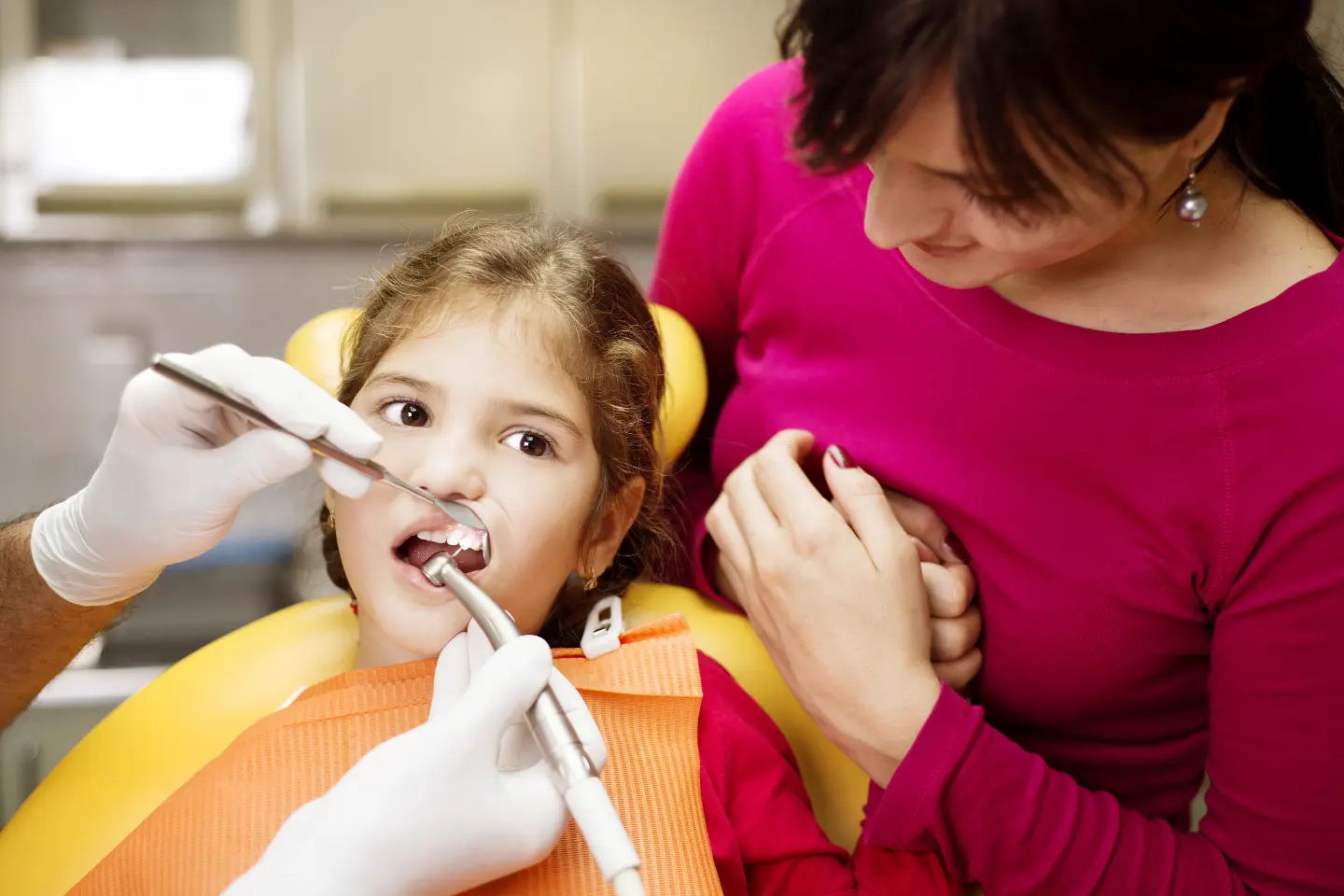
For many children, a trip to the dentist is a mild adventure. For a child with autism or sensory sensitivities, it can feel like a lot all at once: bright overhead lights, buzzing tools, unfamiliar smells, a reclined chair, and a stranger reaching into their mouth. If your child has ever melted down in the waiting room or needed a break before the exam even started, please know you are not alone, and you are not doing anything wrong. Sensory-friendly dental visits are designed to meet your child where they are, with patience, flexibility, and a plan that feels manageable for the whole family. This guide shares what these visits can look like and how you can help your child feel more at ease.
What Are Sensory-Friendly Dental Visits?
A sensory-friendly dental visit is an appointment that has been adjusted to reduce the sights, sounds, textures, and surprises that can overwhelm a child. It is not a separate kind of dental care. It is the same preventive and restorative care your child needs, delivered in a way that respects how their senses process the world.
Every child is different, so there is no single template. One child may be bothered mostly by noise, while another struggles with touch or the taste of dental products. A sensory-friendly approach starts with listening to you, since you know your child best, and then shaping the visit around their needs.
Why Do Dental Offices Feel So Overwhelming for Kids With Sensory Sensitivities?
A dental office is full of sensory input that most adults barely notice. Children who process sensory information differently may notice all of it at once.
- Sounds: The hum of a suction device, the whir of a handpiece, and even background music can feel loud or unpredictable.
- Lights: Bright overhead lights may be uncomfortable, especially when a child is lying back and looking straight up.
- Smells and tastes: Gloves, cleaning products, and flavored pastes can be strong or unpleasant.
- Touch: Having someone touch the face and mouth, feeling a gloved finger or a metal instrument, or wearing a bib and chair cover can be a lot to handle.
- Unpredictability: Not knowing what will happen next can raise anxiety even before any tool comes out.
Understanding these triggers helps parents and dental teams plan ahead, and it also reminds us that a tough visit is usually about sensory overload, not bad behavior.
How Can You Prepare Your Child Before a Dental Appointment?
Preparation is often the most powerful tool. Many families find that a little groundwork at home makes the visit feel much more familiar.
- Use a social story: A short picture-based story that walks through each step, from arriving to sitting in the chair to leaving, can help your child know what to expect. Many dental offices can share one, or you can create your own.
- Visit the office first: A short, no-pressure visit just to look around, meet the team, and sit in the chair can build comfort before any exam begins.
- Practice at home: Let your child pretend to be the dentist with a stuffed animal, or practice opening wide and counting teeth with a toothbrush.
- Watch a video together: Child-friendly videos of dental visits can make the environment feel less mysterious.
- Share your child's preferences: Tell the office about triggers, calming strategies, favorite items, and communication style ahead of time so the team can plan.
- Choose a good time of day: Schedule when your child is typically rested, fed, and calm, rather than during a usual meltdown window.
Take it at your child's pace. Some children need several small steps before they are ready for a full exam, and that is perfectly okay.
What Does a Sensory-Friendly Dental Environment Look Like?
Dental teams that welcome children with sensory needs often make thoughtful adjustments. While every office is different, you might notice some of these ideas in action.
- Dimmed or softer lighting: Using less harsh lights or offering sunglasses can reduce glare.
- Quiet spaces: A calm waiting area, or a short wait time, helps keep anxiety from building.
- Noise reduction: Noise-canceling headphones, favorite music, or a calming audiobook can soften unexpected sounds.
- Tell, show, do: The dentist explains what will happen in simple language, shows the tool, and demonstrates on a finger or toy before using it.
- Weighted blankets or comfort items: Some children feel more settled under a weighted blanket, or with a fidget toy in their hands.
- Flavor choices: Offering unflavored or mild-flavored products can help children who are sensitive to taste.
- Flexible pacing: Breaks, a visual schedule, and the option to continue another day take pressure off.
These details can seem small, but together they can make a big difference in how safe a child feels.
What Can You Do During the Visit to Help Your Child Stay Calm?
You are your child's best advocate and comfort source. During the appointment, here are a few things that often help.
- Stay close: Many offices welcome parents in the room, and your presence can be reassuring.
- Use familiar calming tools: Deep breathing, counting, or a favorite phrase can help your child regulate.
- Let the team lead the language: Short, clear instructions work well. Positive, calm wording is generally more helpful than a long explanation.
- Celebrate small wins: Opening wide for a few seconds or sitting in the chair is progress worth recognizing.
- Know when to pause: If your child becomes overwhelmed, it is okay to stop, take a break, and try again later.
A positive experience, even a short one, builds trust for the next visit.
How Do Sensory-Friendly Visits Support Long-Term Oral Health?
Children with autism and sensory sensitivities may face extra challenges with daily oral care, such as tolerating a toothbrush, certain toothpaste textures, or flossing. That can make regular dental visits especially important for catching issues early. When a child feels comfortable at the dentist, it becomes easier to keep up with checkups, cleanings, and preventive care like fluoride and sealants.
Your dental team can also offer practical home care ideas, such as trying a different brush texture, a milder toothpaste flavor, or a gentle brushing routine that fits into your child's day. Over time, small steps can add up, and many families find that visits get smoother with practice.
Schedule a Sensory-Friendly Dental Visit at Chapin Pediatric and Teen Dentistry
Every child deserves to feel safe and respected in the dental chair. At Chapin Pediatric and Teen Dentistry, our team welcomes families who are looking for sensory-friendly dental visits, and we take the time to listen to what your child needs. Whether your child has autism, sensory sensitivities, or simply feels nervous, we will work with you to build a plan that feels calm and doable. Contact Chapin Pediatric and Teen Dentistry today to schedule a visit, ask your questions, and take a gentle first step toward comfortable dental care for your child.
Sensory-Friendly Dental Visit FAQs
Q: Is a sensory-friendly dental visit different from a regular visit?
A: The care itself is the same, but the approach is adjusted to fit your child. This may include slower pacing, a quieter space, extra explanation, and comfort tools.
Q: How early should I bring my child with autism to the dentist?
A: Dental organizations generally recommend a first visit by the first birthday. If your child is older and has not been yet, it is never too late to start, and an introductory visit can be a gentle first step.
Q: What if my child cannot tolerate an exam on the first visit?
A: That is quite common. Many visits begin with simply getting familiar with the office, and the team can build toward a full exam over time.
Q: Can my child bring comfort items?
A: Yes, in most offices. Favorite toys, blankets, headphones, and fidgets are often welcome, and your dental team can help find what works best.
Q: Are there options if my child still has a very hard time?
A: Your dentist can talk with you about additional support options that may be appropriate for your child, and what each one involves. The right choice depends on your child's needs and health.

Chapin Pediatric and Teen Dentistry is now open to new patients. Call us today at 803-298-8255 to make an appointment for your child or teen.


Overview
Services
Support
Chapin Pediatric and Teen Dentistry is now open to new patients. Call us today at 803-298-8255 to make an appointment for your child or teen.
© 2025 Chapin Pediatric and Teen Dentistry | All Rights Reserved | Privacy Policy | Digital Marketing by Remedo