


Comparing Sedation Options for Kids: Nitrous Oxide vs. Oral Sedation vs. General Anesthesia
Hearing the word sedation attached to your child's dental visit can bring up more questions than answers, and that is completely normal. The good news is that pediatric dental sedation options exist specifically to make appointments more comfortable, not more complicated, and most kids who need some form of sedation have a smooth, uneventful experience. Understanding the differences between the main options can help you feel a lot more settled going into the conversation with your child's dentist.
Sedation is not a one-size-fits-all decision. Dentists choose an approach based on your child's age, anxiety level, the specific procedure being done, and their overall health history. Knowing the basics of each option ahead of time makes that conversation easier and helps you ask the right questions when it is time to decide.
Why Pediatric Dental Sedation Options Exist in the First Place
Kids process dental visits differently than adults, and a certain amount of nervousness around the sound of tools or the feeling of sitting in a dental chair is genuinely common. For most routine visits, gentle communication and a friendly environment are enough to keep a child comfortable. But for longer procedures, more involved treatment, or kids who experience significant anxiety, some form of sedation can help the appointment go more smoothly for everyone involved.
The goal across all pediatric dental sedation options is the same: helping your child feel calm and comfortable enough to receive the care they need, while keeping the visit as low-stress as possible for both the child and the parent waiting nearby.
Nitrous Oxide: The Mildest of the Pediatric Dental Sedation Options
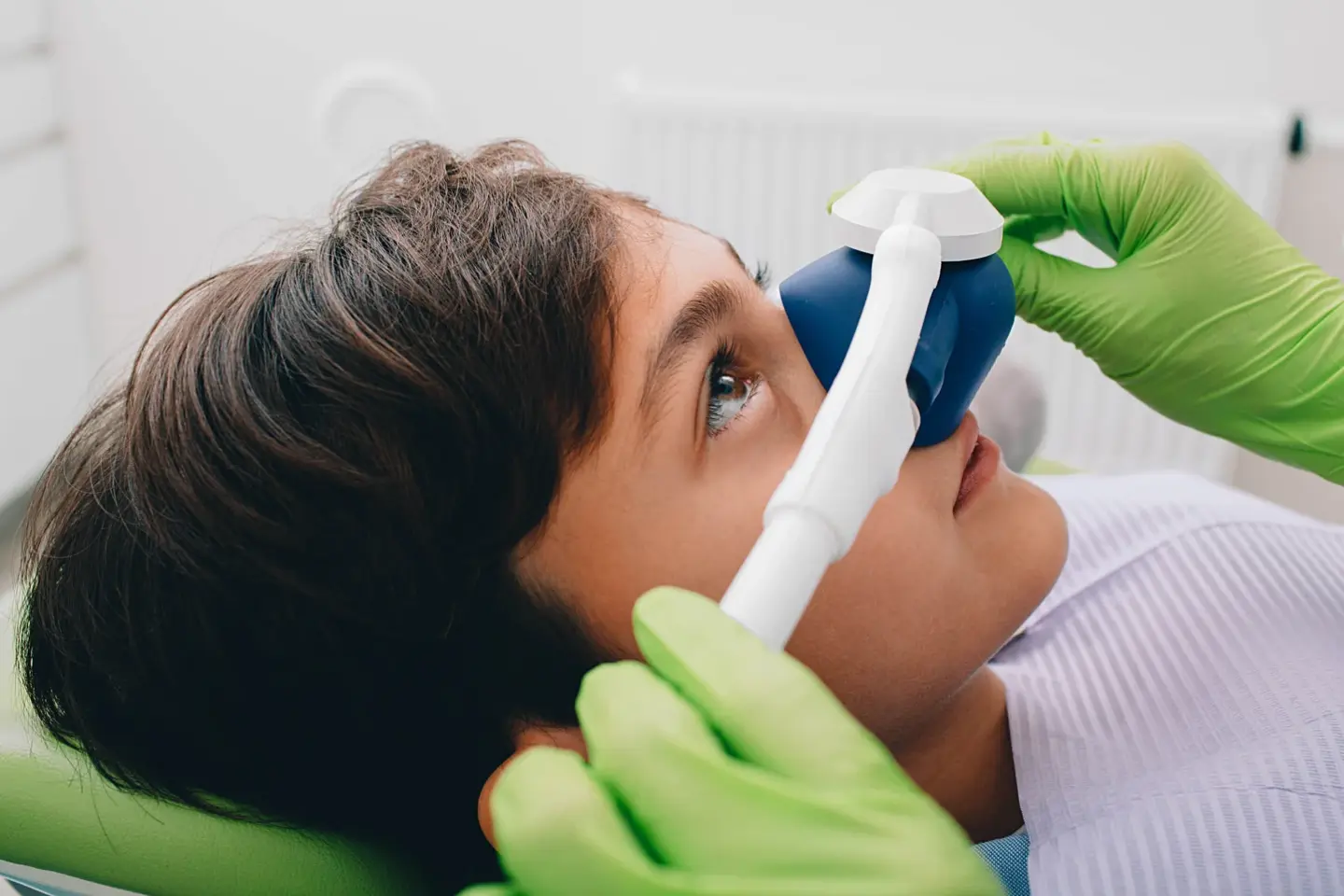
Nitrous oxide, often known as laughing gas, is typically the lightest form of sedation used in pediatric dentistry. It is inhaled through a small mask placed over the nose and tends to produce a light, relaxed feeling within a few minutes. Many kids describe it as a floaty or giggly sensation, and it wears off quickly once the mask is removed and your child breathes normal air for a few minutes.
One of the reasons nitrous oxide is so commonly used is how quickly it takes effect and how quickly it wears off, which means your child is usually back to their normal self shortly after the appointment ends. It is generally considered appropriate for kids with mild anxiety or for shorter procedures where a light level of relaxation is enough to help things go smoothly.
Oral Sedation: A Middle Ground Option
Oral sedation involves giving your child a liquid or pill-form medication before the appointment, usually resulting in a deeper level of relaxation than nitrous oxide alone. Depending on the dose and the medication used, kids may become drowsy or even fall into a light sleep during treatment, though they typically remain responsive to touch or verbal prompts throughout the appointment.
This option is often considered for kids with moderate anxiety, longer procedures, or situations where nitrous oxide alone was not quite enough during a previous visit. Since oral sedation takes longer to wear off than nitrous oxide, kids usually need a bit more recovery time afterward, and dentists typically provide specific instructions about food, rest, and monitoring for the rest of the day.
General Anesthesia: For More Complex Situations
General anesthesia is the deepest level of sedation among pediatric dental sedation options, and it is typically reserved for more extensive procedures, very young children who cannot cooperate with treatment, or kids with certain medical or developmental needs where other sedation types are not appropriate. Under general anesthesia, your child is fully asleep and unaware during the procedure.
This option usually involves a more thorough pre-appointment evaluation, since it carries more considerations than lighter sedation methods. It is typically administered by a trained anesthesia provider, often in a setting equipped specifically for this level of care, and your dentist will walk you through exactly what monitoring and preparation the process involves before moving forward.
Comparing How Each Option Feels for Your Child
- Nitrous oxide: light, quick-acting relaxation with a fast recovery, typically worn off within minutes of removing the mask.
- Oral sedation: a deeper, drowsy state that develops gradually and takes longer to wear off, sometimes lasting into the hours after the appointment.
- General anesthesia: full unconsciousness throughout the procedure, with a longer, more monitored recovery period afterward.
Each level serves a different purpose, and your child's dentist will typically recommend the option that matches the specific procedure and your child's individual needs rather than defaulting to the strongest option available.
How Dentists Decide Which Sedation Option Fits Your Child
A few factors generally guide this decision. Age and developmental stage matter, since younger children may struggle to stay still or follow instructions during a procedure regardless of how calm they feel. The complexity and length of the procedure also play a role, since a quick filling and a more involved treatment call for different approaches.
Your child's anxiety level and any past experiences with dental visits are part of the conversation too, along with their general health history, since certain medical conditions can influence which sedation options are appropriate. This is exactly why a conversation with your dentist beforehand matters so much among the various pediatric dental sedation options, since the right fit really is specific to your child.
What to Expect on the Day of a Sedation Appointment
Preparation instructions vary depending on which sedation option is being used, but most involve some guidance around fasting beforehand, particularly for oral sedation and general anesthesia. Your dentist's office will typically walk you through exactly what to do the morning of the appointment, including what your child can eat or drink and when.
After the appointment, recovery time depends on the sedation level used. Nitrous oxide wears off quickly, often letting your child return to normal activities the same day. Oral sedation and general anesthesia both call for more supervised recovery time, and your dentist's office will send you home with specific instructions about rest, food, and what symptoms to watch for during the following hours.
Talk to Chapin Pediatric and Teen Dentistry About Sedation Options
Choosing the right approach for your child's comfort does not have to feel overwhelming, especially with the right guidance along the way. Chapin Pediatric and Teen Dentistry can walk you through each of the pediatric dental sedation options and help determine what fits your child's needs and the procedure ahead. Reach out to Chapin Pediatric and Teen Dentistry today to schedule a consultation and get answers tailored to your child.
Frequently Asked Questions
Q: Which pediatric dental sedation option is safest for my child?
A: Each option is used based on your child's specific needs, health history, and the procedure involved. Your dentist can walk you through which choice fits your child's situation during a consultation.
Q: Will my child remember the dental visit if they receive sedation?
A: This depends on the type of sedation used. Nitrous oxide typically allows kids to remain fully aware, while deeper sedation methods can result in little to no memory of the procedure afterward.
Q: How long does it take for my child to recover from sedation?
A: Nitrous oxide wears off within minutes. Oral sedation and general anesthesia generally require a longer recovery period, and your dentist will provide specific guidance for the rest of the day.
Q: Is nitrous oxide the same as general anesthesia?
A: No, they are quite different. Nitrous oxide produces light relaxation while your child stays awake and responsive, while general anesthesia results in full unconsciousness throughout the procedure.
Q: Can my child eat before a sedation appointment?
A: This depends on the type of sedation planned. Oral sedation and general anesthesia typically involve fasting instructions beforehand, while nitrous oxide usually does not require the same restrictions. Your dentist will confirm specific guidance ahead of time.
Q: How do I prepare my child for a sedation appointment?
A: Talking through the visit in simple, reassuring terms and following your dentist's specific pre-appointment instructions tends to help. Your dental team can also offer tips tailored to your child's age and temperament.

Chapin Pediatric and Teen Dentistry is now open to new patients. Call us today at 803-298-8255 to make an appointment for your child or teen.


Overview
Services
Support
Chapin Pediatric and Teen Dentistry is now open to new patients. Call us today at 803-298-8255 to make an appointment for your child or teen.
© 2025 Chapin Pediatric and Teen Dentistry | All Rights Reserved | Privacy Policy | Digital Marketing by Remedo