


Silver Diamine Fluoride: A Minimally Invasive Way to Treat Cavities in Young Children
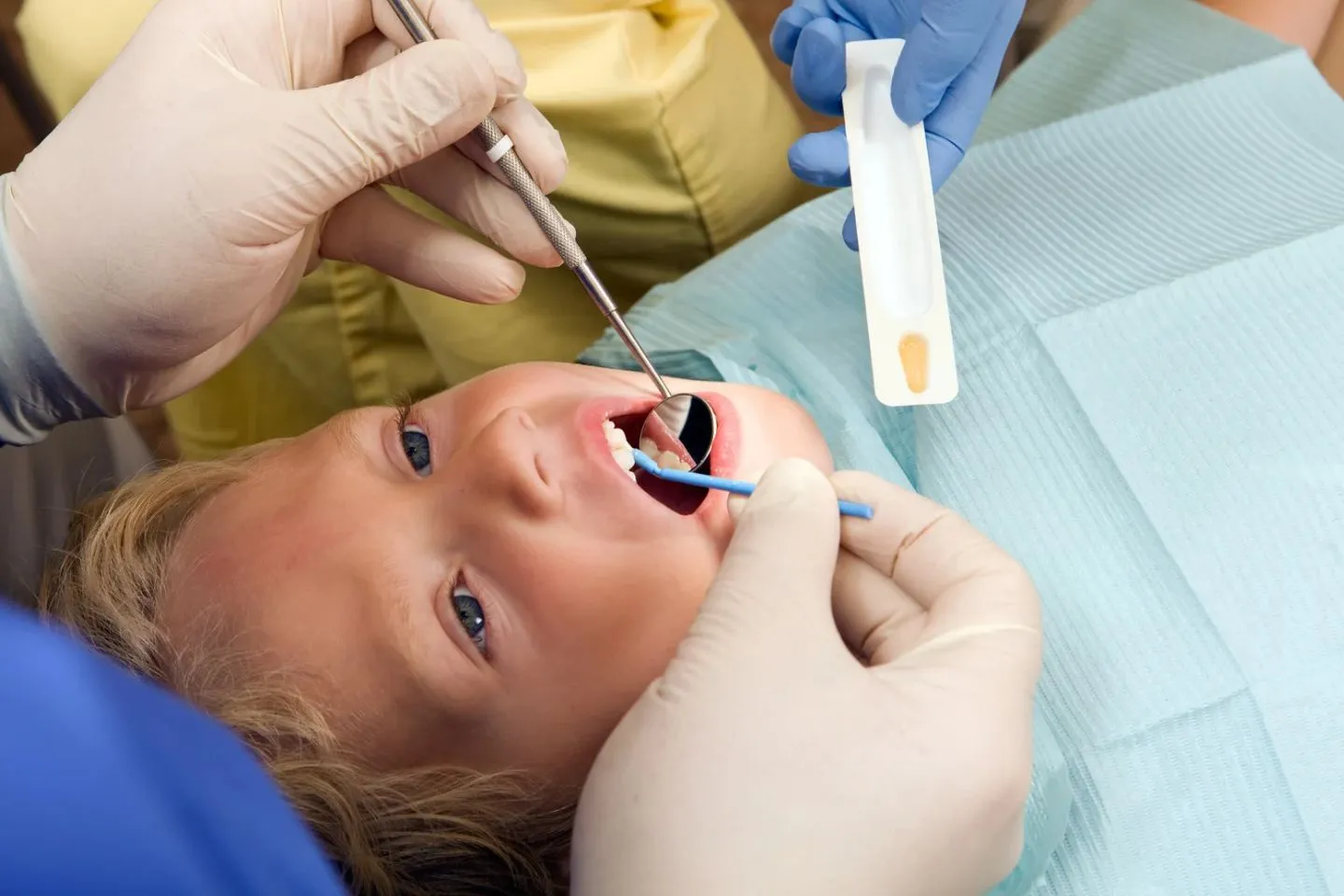
If your toddler has a cavity and the idea of numbing shots or a dental drill fills you with dread on their behalf, you are far from alone. A lot of parents assume every cavity means the same routine, prep the tooth, fill it, done. For very young children, though, there is often a gentler first option worth knowing about. Silver diamine fluoride treatment has become a go-to approach for pediatric dentists managing early decay in a way that does not require drilling, shots, or a squirming toddler sitting still through a longer procedure.
Here is what silver diamine fluoride actually does, how it compares to a traditional filling, and when your dentist might recommend it for your child.
What Is Silver Diamine Fluoride and How Does It Work?
Silver diamine fluoride, often shortened to SDF, is a liquid solution that combines silver, fluoride, and ammonia. When applied directly to a cavity, it works in two ways at once. The fluoride helps strengthen the remaining tooth structure and slow further decay, while the silver has antibacterial properties that target the bacteria driving the cavity in the first place.
Unlike a filling, silver diamine fluoride treatment does not remove decayed tooth material or restore the shape of the tooth. Instead, it works to stop the decay process where it stands, essentially putting the brakes on a cavity that might otherwise continue progressing.
Why Pediatric Dentists Often Recommend SDF for Young Children
For toddlers and very young kids, sitting still through a longer dental procedure involving numbing and drilling is not always realistic, and it is not always necessary either. Silver diamine fluoride treatment is applied quickly, usually in a matter of minutes, with a small brush directly onto the affected tooth. No numbing is required, and no drilling is involved, which makes the whole visit far less stressful for both the child and the parent watching from the chair.
This makes SDF a practical option for kids who are too young to comfortably tolerate a traditional filling, or for situations where a cavity is caught early enough that a more conservative approach makes sense before considering anything more involved.
What Actually Happens During an SDF Application
The process itself is refreshingly simple. After a quick dental exam, the dentist isolates the affected tooth to keep the area dry, then applies the SDF solution directly onto the cavity using a small brush. The solution needs a short amount of time to dry and set before your child can eat or drink again, but beyond that, there is very little involved.
Most kids tolerate silver diamine fluoride treatment without much fuss at all, since there is no discomfort involved in the application itself. For a lot of parents, that alone makes it worth asking about before assuming a filling is the only path forward.
What to Expect Afterward, Including the Dark Staining
Here is the part most parents want to know about upfront. SDF causes the treated area of the tooth to turn dark, usually black or dark brown, once it has been applied. This staining is a normal and expected part of how the treatment works, and it only affects the decayed portion of the tooth, not the healthy enamel around it.
For a back tooth, this staining is rarely noticeable in everyday life. For a front tooth, it can be more of a cosmetic consideration, and it is worth discussing with your dentist ahead of time so you know what to expect and can decide whether that tradeoff makes sense for your child's specific situation.
Is SDF a Permanent Fix or a Temporary Solution?
This is an important distinction. Silver diamine fluoride treatment slows or stops the progression of a cavity, but it does not restore the tooth's original structure the way a filling does. In many cases, dentists use SDF as a way to manage a cavity for a period of time, sometimes until a child is a bit older and better able to tolerate a filling, or sometimes as an ongoing management strategy depending on the tooth and the situation.
Follow-up visits are typically part of the plan, since your dentist will want to monitor the treated tooth over time and decide whether additional treatment, like a filling, becomes appropriate later on.
Is SDF the Right Choice for Every Cavity?
Not necessarily, and that is worth being upfront about. SDF tends to work best for early to moderate decay, particularly in young children where a more involved procedure is not practical yet. For a more advanced cavity, or one causing pain, a filling or other restorative treatment may still be the better option regardless of the child's age.
Your dentist can evaluate the specific tooth and extent of decay during an exam and walk you through whether silver diamine fluoride treatment makes sense for your child's situation, or whether a different approach would serve them better.
Schedule a Consultation With Chapin Pediatric and Teen Dentistry
If your child has a cavity and you want to explore options that do not involve drilling or shots, Chapin Pediatric and Teen Dentistry can walk you through whether silver diamine fluoride is a good fit. Reach out to Chapin Pediatric and Teen Dentistry today to schedule a consultation and find a gentle, appropriate path forward for your child's smile.
Frequently Asked Questions About Silver Diamine Fluoride for Kids
Q: Does silver diamine fluoride hurt when it is applied?
A: No. The application does not require numbing or drilling, and most kids tolerate it comfortably since there is no discomfort involved in the process itself.
Q: Why does SDF turn the cavity black?
A: The staining is a normal, expected result of the treatment and only affects the decayed portion of the tooth. It does not affect healthy enamel around the treated area.
Q: Is SDF a permanent solution for a cavity?
A: Not exactly. It slows or stops the progression of decay, but it does not restore the tooth's structure the way a filling does, so follow-up care is often part of the plan.
Q: Can SDF be used on any tooth?
A: It is commonly used for both baby teeth and permanent teeth, though your dentist will evaluate whether it is the right approach based on the location and extent of the cavity.
Q: Will my child still need a filling eventually?
A: In some cases, yes. SDF can be used to manage a cavity for a period of time, with a filling considered later depending on how the tooth responds and your child's age.
Q: How often does SDF need to be reapplied?
A: This varies by case. Your dentist will typically schedule follow-up visits to monitor the tooth and determine whether reapplication or additional treatment is needed.

Chapin Pediatric and Teen Dentistry is now open to new patients. Call us today at 803-298-8255 to make an appointment for your child or teen.


Overview
Services
Support
Chapin Pediatric and Teen Dentistry is now open to new patients. Call us today at 803-298-8255 to make an appointment for your child or teen.
© 2025 Chapin Pediatric and Teen Dentistry | All Rights Reserved | Privacy Policy | Digital Marketing by Remedo